










October CSR Drive in Kouilou
The Republic of Congo’s back-to-school season opened with an unusual momentum as the SNPC Foundation, the philanthropic arm of the National Petroleum Company, rolled out the first wave of its 2025 social programme in Kouilou during October.
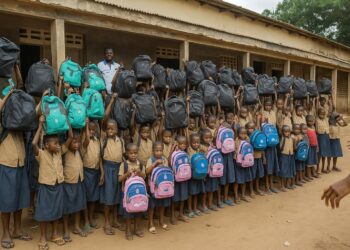
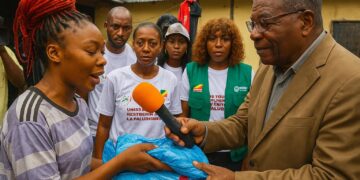
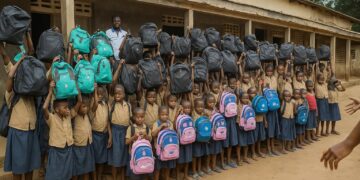
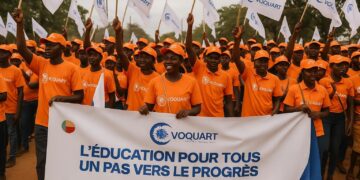
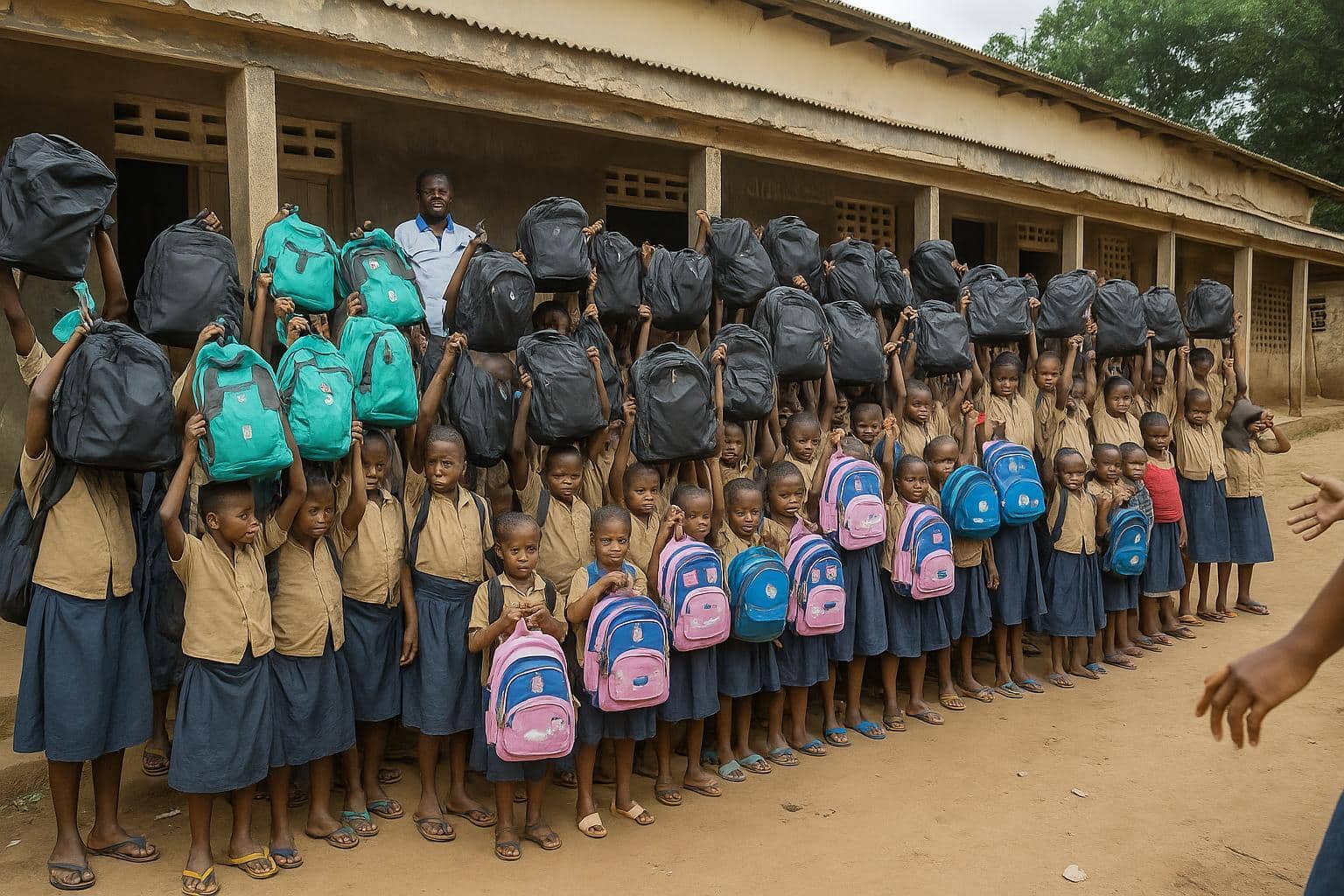
Across six travel days, the team distributed complete school kits to 9,000 pupils in 35 primary and secondary institutions. Each pack contained notebooks, pens, pencils, geometry tools and branded backpacks, removing a cost obstacle that routinely slows enrolment in rural coastal communities.
Logistics Behind the Six-Day Tour
The itinerary was tight: Mboubissi, Tangoufouana, La Loeme and Siala on day one, then ten villages from Tchibanda to Tchikoulou on day two. Further loops spanned Tchissoko, Hinda Poste and Mongo Tandou before ending in the twin districts of Mengo.
Logistics rested on a mobile warehouse concept. Supplies were pre-bundled in Pointe-Noire, trucked overnight and handed over under education inspectors. Local leaders escorted convoys, ensuring that even hamlets off paved roads received parcels on schedule despite early rains.
Stakeholder Reactions on the Ground
Teachers greeted the convoys with improvised ceremonies, stressing that notebook deliveries often decide whether a child stays in class beyond October. Parents, many relying on seasonal farming, said the gift translated into savings roughly covering two weeks of household food.
“This is more than stationery; it is dignity for our children,” said Mme Mawete, a head teacher in Ndebouano, as pupils tested new geometry sets. Her counterpart in Hinda Poste added that the kits levelled the playing field between urban and rural classrooms.
Ministry officials, observing the tour, praised the Foundation for complementing state allocations without bureaucratic delay. They argued that targeted CSR can narrow learning gaps faster than universal subsidies, especially in departments where river crossings or sand tracks inflate public delivery costs.
Aligning with National Education Goals
The initiative dovetails with the national objective of universal primary education set out in successive development plans. By focusing on Kouilou, a hydrocarbon-rich yet socially dispersed department, the Foundation underscores the government’s call for balanced growth alongside industrial expansion.
Officials in Brazzaville note that petroleum revenues already finance classroom construction through the national budget. Complementary private funding for supplies therefore frees fiscal space for teacher training and digital content, two pillars President Denis Sassou Nguesso highlighted at the last education sector review.
Implications for Investors and Partners
For portfolio managers tracking ESG performance in frontier markets, the Kouilou distribution offers a tangible indicator of SNPC’s social licence to operate. Consistent, verifiable outreach reduces non-technical risk in upstream blocks and signals that community expectations are integrated into corporate planning cycles.
Development financiers view educational inputs as high-multipliers: every dollar invested in basic learning can yield up to ten in future earnings, according to widely cited regional studies. By underwriting early grades, SNPC indirectly strengthens the future talent pipeline required by diversified industries.
Civil-society partners interviewed in Pointe-Noire argue that transparent beneficiary lists and photo evidence, published on the Foundation’s website, could further reassure donors. Management responded that a monitoring dashboard is under development and will be publicly shared once verified by external auditors.
Measuring Impact and Accountability
Past interventions give a baseline. In 2023 the Foundation reached 7,200 pupils nationwide. The current Kouilou campaign therefore marks a 25 percent volume increase in a single department, a metric board members say will anchor the upcoming integrated sustainability report.
Impact tracking will test not only attendance statistics but also exam pass rates next June. Education inspectors have been tasked with anonymised data collection. Results will feed a joint review with the Ministry to fine-tune future kit configurations and delivery calendars.
Next Steps in SNPC Foundation Agenda
Looking ahead, the Foundation plans to replicate the six-day model in the land-locked Plateaux department, where river transport poses different challenges. Procurement for an additional 12,000 kits has already been budgeted, subject to confirmation of school listings by regional authorities.
Executives also hint at a pilot scholarship for top-performing girls from Kouilou’s rural zones, aiming to ease progression into lower secondary. Discussions with telecom operators could add connectivity vouchers, marrying hardware with digital access in the Foundation’s next funding cycle.
Strategic Takeaways for Decision Makers
For policymakers, the exercise demonstrates how calibrated private interventions can reinforce public policy without overlap. By addressing the micro-level constraint of school supplies, SNPC leaves state funds available for systemic reforms such as curriculum upgrades or teacher deployment in underserved zones.
Investors watching Congo’s macro trajectory may read the gesture as evidence of socio-political stability around key energy assets. Community goodwill reduces the probability of operational disruptions, a factor ratings agencies increasingly weigh when pricing sovereign and corporate paper from emerging exporters.
In essence, October’s six-day school-kit marathon offers a snapshot of stakeholders aligning around a common denominator: education. As 2025 unfolds, the breadth of planned follow-ups will indicate whether the Kouilou template can mature into a national platform for inclusive growth.