






















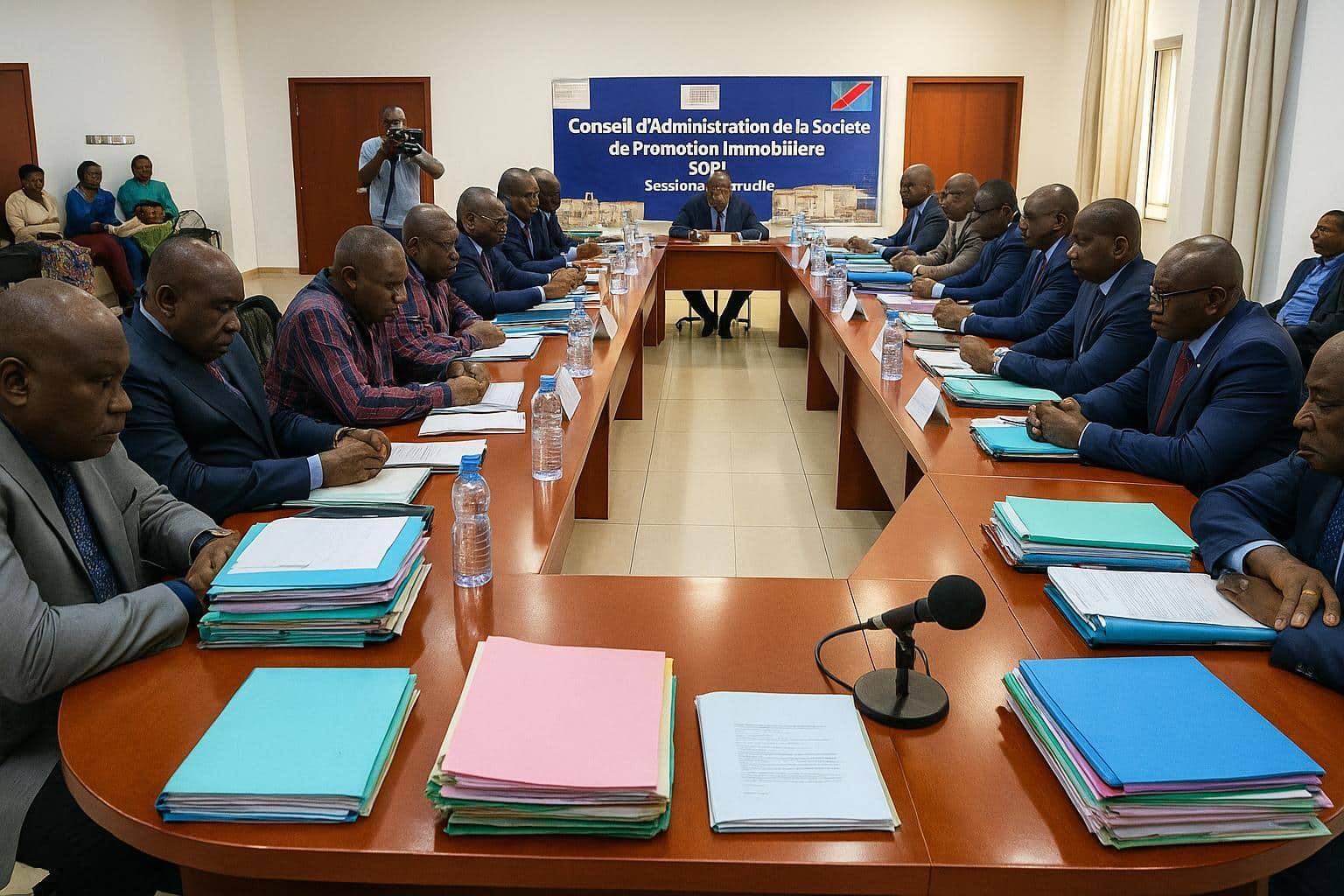
Board opens critical performance review
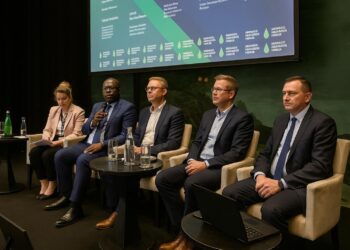
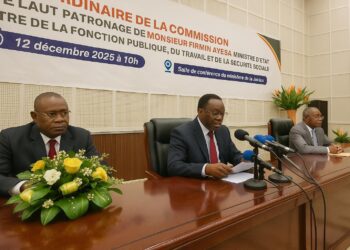
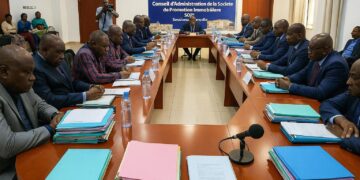
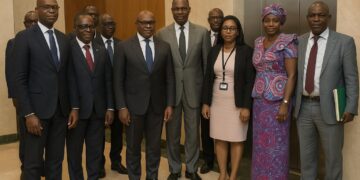
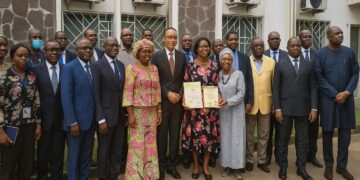
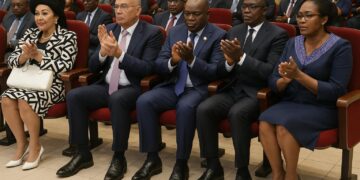
The board of the state-owned Société de Promotion Immobilière (Soprim) convened in Brazzaville on 11 December under the chairmanship of Gaspard Symphorien Mbou Likibi. The long-awaited session, the first since the company’s creation in 2012, set the tone for a rigorous assessment of corporate performance.
Management will present data tracking revenue, profit, cash flow and return on investment over the 2012-2025 horizon. Mbou Likibi framed the question bluntly: is Soprim performing or under-performing? The answer, he argued, must emerge from trend analysis rather than intuition or habit.
Competition and talent challenges
Beyond ratios, the board will examine the skill set of its workforce. Fierce competition from private developers forces the public operator to rethink human capital. Mobilising the right expertise—engineers, surveyors, project financiers—has become a strategic variable equal to land banks or credit lines.
Embedding climate resilience
Mbou Likibi linked the discussion to climate-related shocks. As he reminded directors, homes worldwide are flooded or demolished by storms, with tragic human losses. In that context he wants Soprim to emerge as a solutions provider, embedding resilience standards into every blueprint and procurement contract.
Institutional continuity and hybrid mandate
The meeting took place twelve years after Soprim replaced the former Société de Promotion et de Gestion Immobilière (Soprogi). Notably, the last Soprogi management committee sat twenty-four years ago, underscoring the institutional vacuum that Soprim now seeks to fill in the public housing ecosystem.
Legally, Soprim is a public industrial and commercial establishment endowed with legal personality and financial autonomy. This hybrid status grants management the flexibility to structure joint ventures, issue market instruments or negotiate public-private partnerships while remaining aligned with government housing priorities.
Updating the 2025 business plan
Directors are expected to update the business plan through 2025. Projections hinge on accelerating land titling, diversifying revenue streams into property management, and leveraging concessional finance. Early drafts flag cash flow volatility as a key risk, especially when sales cycles extend beyond six quarters.
Another focal point is cost discipline. Material prices and logistics bills have risen sharply since the pandemic. The board will weigh hedging mechanisms and local sourcing to shield margins. Any procurement overhaul must, however, preserve build quality and adhere to emerging environmental norms.
Governance reforms gain momentum
Governance itself is on the agenda. Several directors advocate for a more frequent meeting calendar, internal audit upgrades and clearer key performance indicators. They argue that predictable oversight will attract institutional investors and multilateral lenders keen on demonstrable accountability frameworks.
Housing deficit context
While numbers dominate, housing policy context looms large. Urban expansion in Brazzaville and Pointe-Noire continues to outpace formal supply, creating space for informal settlements. Soprim’s mandate situates it as a stabilising actor able to scale affordable, planned neighbourhoods and thus support national social cohesion.
Aligning with climate finance
Climate imperatives intersect with that social mission. The board will review design guidelines for elevated foundations, improved drainage and low-carbon materials. Aligning with Congo’s nationally determined contributions could, according to management memos, unlock climate finance that partially offsets construction costs.
Building skills and technology
Human resources remains a sensitive chapter. Mbou Likibi has requested a talent mapping exercise to identify gaps in project appraisal, risk management and digital marketing. The outcome may feed into a training budget or targeted recruitment, though directors insist payroll growth must be matched by productivity gains.
Technology can support that ambition. Digitised land registries, drone-based site surveys and customer portals are options under review. Experience from peer utilities shows that modest tech upgrades shorten delivery timelines, improve cash collection and enhance transparency—factors valued by both citizens and creditors.
Transparency and performance culture
Stakeholders will scrutinise how recommendations translate into timelines. The board is expected to publish an action matrix summarising decisions, responsible officers and checkpoints. This level of disclosure, rare among public enterprises a decade ago, reflects a broader push for performance culture across Congo’s state-owned sector.
Economic ripple effects
For investors monitoring the country’s infrastructure pipeline, the signals are instructive. A financially disciplined Soprim capable of partnering with banks or donors could catalyse ancillary industries—cement, aluminium, logistics—and feed into gross domestic product. Conversely, unresolved inefficiencies could perpetuate housing shortages and fiscal pressures.
Collective responsibility reiterated
Mbou Likibi closed the opening session by reaffirming the board’s collective responsibility. Performance, he said, is not just a spreadsheet issue but a public trust matter. Over the coming weeks, committees will distil findings into concrete reforms, giving shareholders and citizens clearer visibility on Soprim’s trajectory.
Timeline and financing next steps
Directors plan to reconvene in March 2024 for a mid-term check. By then, management must submit audited 2023 accounts, a detailed cash-flow forecast, and an implementation scorecard. The March session will also initiate discussions with potential green-bond arrangers exploring a pilot issuance linked to resilient housing.
Ahead of that deadline, working groups will benchmark construction costs, negotiate land releases with local authorities and draft an environmental and social management framework. Progress will be posted on Soprim’s website, an innovation aimed at fostering dialogue with diaspora professionals interested in returning to participate.