





























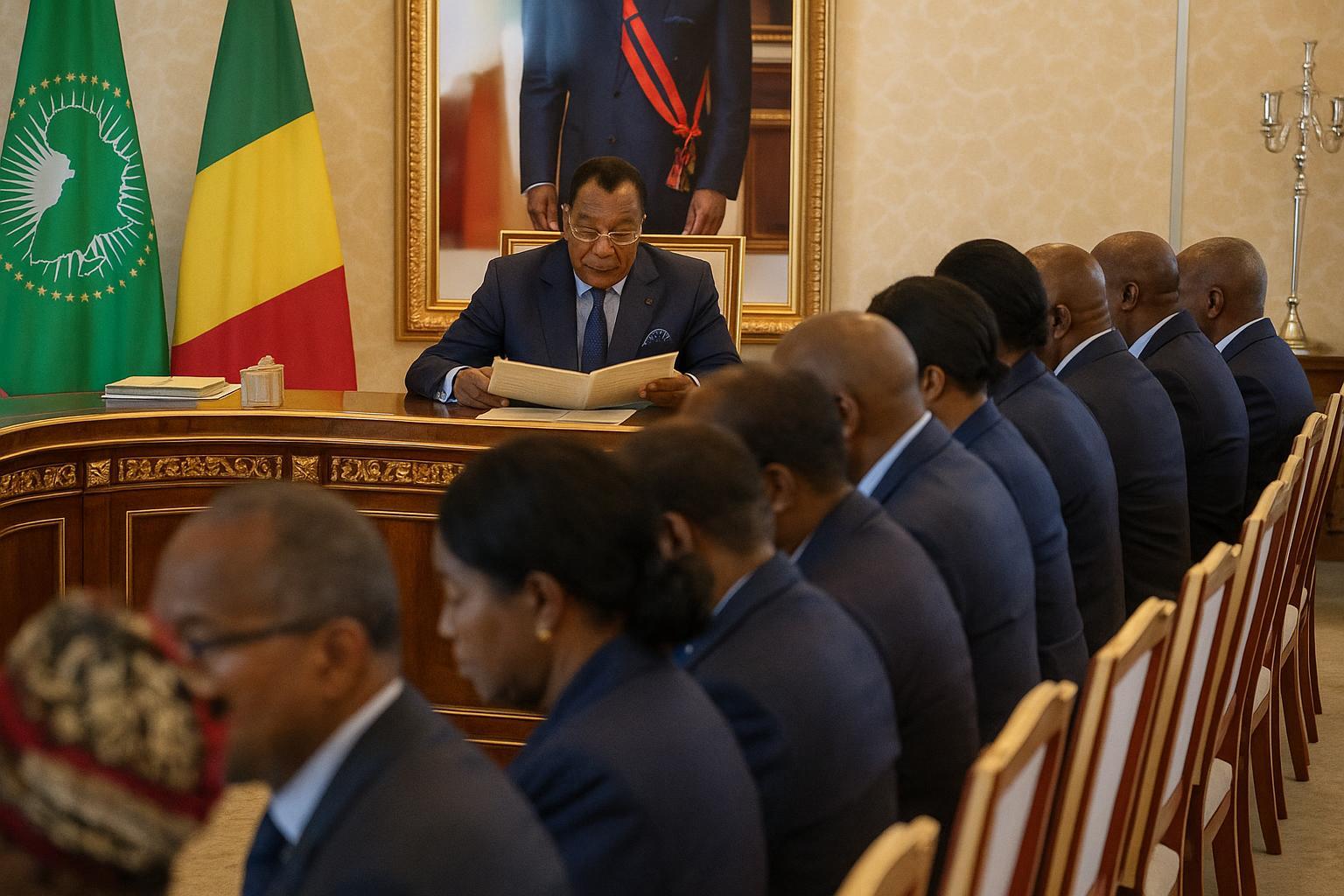
Council greenlights statutory framework
The Council of Ministers has unanimously adopted two draft decrees approving the statutes of the general hospitals of Ouesso and Sibiti. Health Minister Jean Rosaire Ibara presented the texts detailing missions, organisational charts, operational rules and financial management principles for the recently inaugurated facilities.
The legal endorsement consolidates the acts of Parliament promulgated on 6 October 2025, giving the hospitals full administrative status. Observers in Brazzaville view the move as a decisive step toward embedding modern governance in the public health network beyond the capital.
Autonomy and oversight mechanisms
Under the decrees, each institution acquires legal personality and financial autonomy, while remaining under the technical and administrative supervision of the Ministry of Health. This dual arrangement seeks to balance managerial flexibility with central oversight and ensures public accountability for resources and service quality.
Internal boards will be tasked with monitoring budgets, procurement and clinical performance. According to ministry officials, the statutes define transparent procurement rules and encourage hospital directors to pursue partnerships capable of enhancing specialised care, without compromising the public-service mandate.
Expected impact on regional healthcare
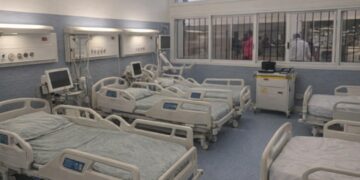
Inaugurated in November 2025, the Ouesso and Sibiti hospitals were designed to expand the national supply of emergency services and address complex pathologies closer to patients in northern and southern hinterlands. Their statutory consolidation is therefore crucial for securing qualified staff and sustained funding.
Health economists argue that the distance between Brazzaville and secondary cities has historically limited timely access to surgery and diagnostics. The two hospitals, each equipped for intensive care and specialised units, could reduce referral costs and travel time for thousands of households if operational targets are met.
Rural mayors interviewed after the council session welcomed the approval. One official from Sangha Department said the framework “locks in predictability for medicine supply chains and staff remuneration, which should stabilise retention” (local radio interview). Such confidence is essential for mobilising community support.
Governance appointments reinforce expertise
Beyond statutory matters, the Council appointed Professor Ekouele Mbaki Hugues Brueux as Director General of the General Hospital of Djiri. The seasoned neurosurgeon, also rapporteur of the scientific council at Marien Ngouabi University, is expected to champion evidence-based protocols across the network.
Government advisors highlight that aligning leadership appointments with academic credentials signals an emphasis on merit. Analysts believe similar profiles could be considered for Ouesso and Sibiti once recruitment processes start, further professionalising hospital governance and enhancing the attractiveness of peripheral postings for young specialists.
Implications for investors and partners
Although the hospitals retain public status, their financial autonomy opens avenues for structured partnerships with equipment suppliers, telemedicine platforms and insurers. Investors attentive to Central African healthcare projects may find predictable statutes and ministerial backing valuable mitigants against operational risks.
Development financiers already active in Congo often require clear governance benchmarks before extending concessional loans or guarantees. The decrees provide such benchmarks, specifying audit obligations and revenue retention ceilings. These details can accelerate negotiations on potential maintenance contracts and energy-efficiency retrofits proposed by private operators.
For international NGOs focused on maternal health or infectious diseases, the statutes establish gateways for programmatic cooperation. Service agreements can now reference codified responsibilities, reducing administrative delays. This regulatory clarity complements ongoing national efforts to digitise patient records and streamline pharmaceutical procurement.
Next steps and monitoring
The Ministry of Health has indicated that implementation texts—covering organisational charts, job descriptions and performance indicators—will be circulated to staff within weeks. Training modules on the new governance obligations are to follow, ensuring nurses and managers internalise reporting duties from the outset.
An inter-ministerial committee is expected to track indicators such as bed occupancy rates, referral volumes and financial solvency. Quarterly dashboards will be shared with the Prime Minister’s office, fostering cross-government attention to bottlenecks and facilitating timely budgetary adjustments where required.
Civil society monitors have urged the ministry to keep publishing procurement notices and contract awards online. Officials respond that the autonomy clause actually simplifies disclosure, because each hospital can upload documentation directly, shortening the information chain and minimising risks of miscommunication.
With statutory foundations now secured, Ouesso and Sibiti hospitals enter a decisive operational phase. Their performance will test Congo-Brazzaville’s capacity to deploy modern healthcare governance across its territory, an ambition that aligns with broader public-service reforms endorsed by the Council of Ministers.
Broader policy context
The statutory update complements earlier reforms that raised several district health centres to referral status. By codifying duties at every level, authorities hope to build a seamless continuum of care, minimise duplication and offer patients clearer pathways from community clinic to specialised ward services.
Officials indicated that insights from the Ouesso and Sibiti rollout will guide upcoming hospital projects in Impfondo and Madingou. A phased approach is favoured so procurement, maintenance and staffing templates can be tested, refined and budgeted before being extended nationwide in the next phase.