

























Rabat Talks Spotlight South-South Cooperation
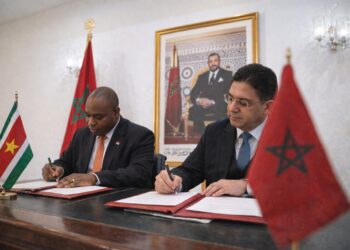
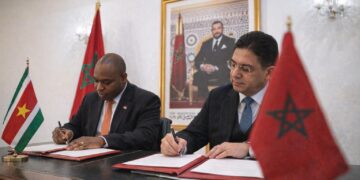
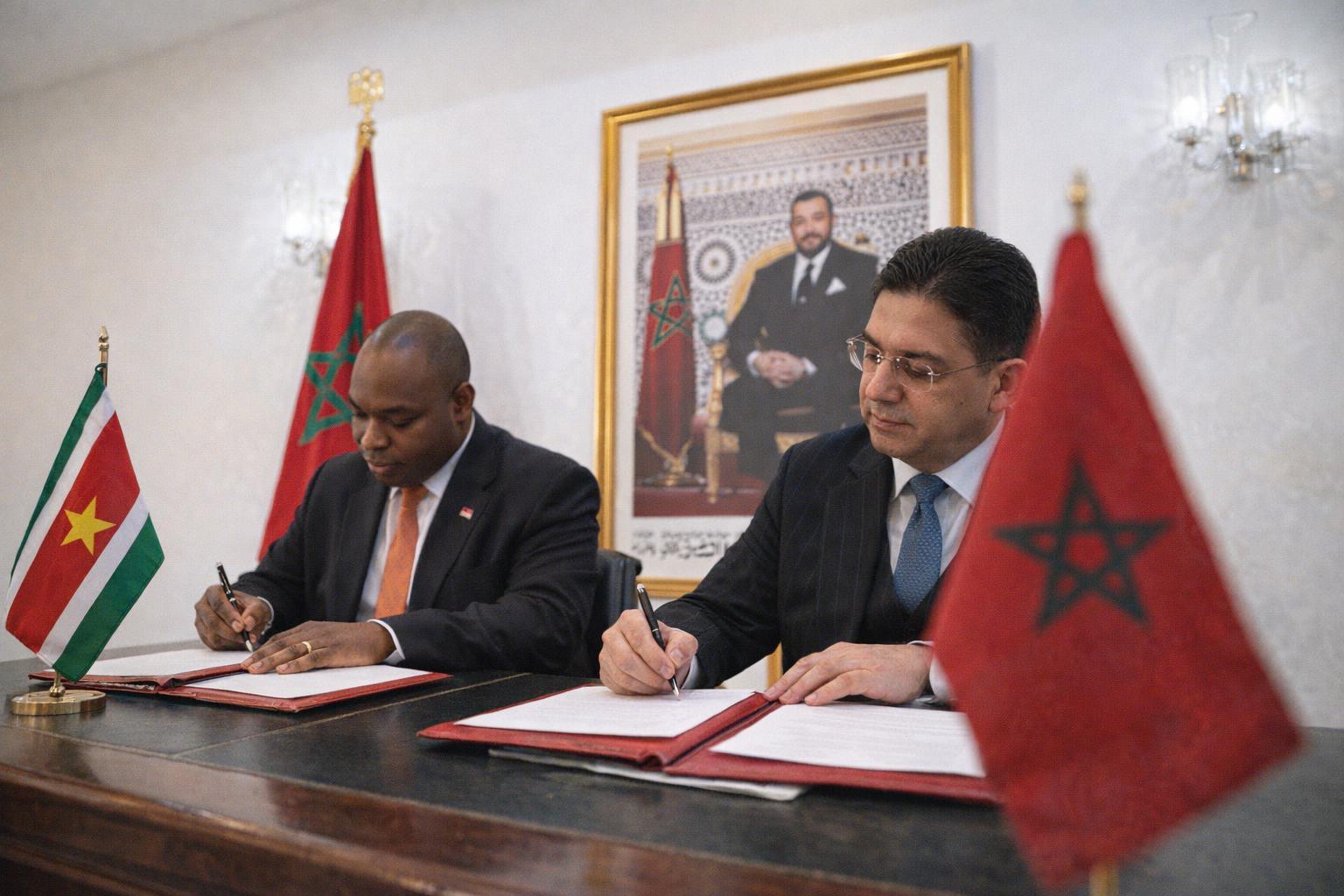
In Rabat on January 15, Suriname’s Minister of Foreign Affairs, International Trade and Cooperation, Melvin Bouva, voiced appreciation for initiatives led by King Mohammed VI aimed at African countries along the Atlantic and in the Sahel, according to the Congolese News Agency ACI.
Bouva made the remarks after meetings with Morocco’s Minister of Foreign Affairs, African Cooperation and Moroccans Residing Abroad, Nasser Bourita. The two sides issued a joint statement reflecting a shared interest in structured cooperation formats and concrete development outcomes (ACI).
A Joint Statement Framing Morocco’s Cooperation Model
The joint communiqué presents Morocco’s approach as a South-South cooperation framework focused on strengthening ties among partner regions. Bouva, as quoted through the statement, welcomed a model emphasizing partnership-building rather than ad hoc exchanges (ACI).
Within that framing, Suriname underlined the value of cooperation principles described as mutual respect, solidarity, effectiveness, and pragmatism. The language suggests an emphasis on deliverables and institutional continuity, which investors and public decision-makers often associate with lower transaction friction (ACI).
Atlantic African States Initiative: A Geostrategic Platform
Bouva also welcomed Morocco’s initiative related to African Atlantic states. The objective, as cited in the joint statement, is to structure the African Atlantic space as a geostrategic framework for consultation and cooperation among participating countries (ACI).
In diplomatic terms, such a platform signals an attempt to align priorities across maritime-facing states, potentially covering trade corridors, maritime governance, and regional connectivity. The joint statement, however, remains focused on intent and does not detail specific projects or timelines (ACI).
Sahel Initiative: Connecting Landlocked Economies to the Atlantic
The Surinamese minister further noted the importance of the Royal initiative for the Sahel, which aims to improve Sahelian countries’ access to the Atlantic Ocean. The statement describes the mechanism as relying on interconnection with regional transport and communication networks (ACI).
For market actors, the emphasis on transport and communications points to the strategic role of infrastructure and logistics in unlocking regional trade. The communiqué does not quantify expected impacts, but it positions connectivity as a key lever for broader economic integration (ACI).
Caribbean Development Angle and Sustainable Outcomes
Beyond Africa-focused initiatives, Bouva highlighted what he presented as the broader relevance of Morocco’s vision for sustainable development in the Caribbean. The joint statement refers to implementing concrete socio-economic projects, implying a practical orientation to cooperation (ACI).
This reference is notable because it links South-South cooperation to cross-regional learning and project delivery. It also reflects Suriname’s interest in diversified partnerships that can complement traditional channels, while keeping the discourse anchored in development results (ACI).
What the Diplomatic Signals Mean for Partnerships
The messaging in the communiqué is calibrated: it endorses cooperation mechanisms without over-committing to details not yet publicly specified. That cautious precision is typical of diplomatic documents designed to keep room for technical follow-up and inter-ministerial coordination (ACI).
For governments and investors tracking regional platforms, the statement indicates that Morocco’s initiatives are being received positively by non-African partners as well. It also underscores the role of dialogue formats in shaping future project pipelines, even before formal announcements (ACI).