









Tree-Planting Drive Links Brazzaville and Pointe-Noire
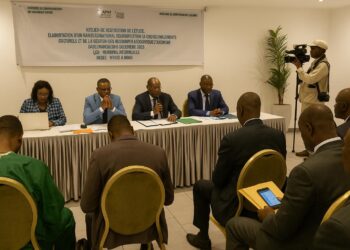
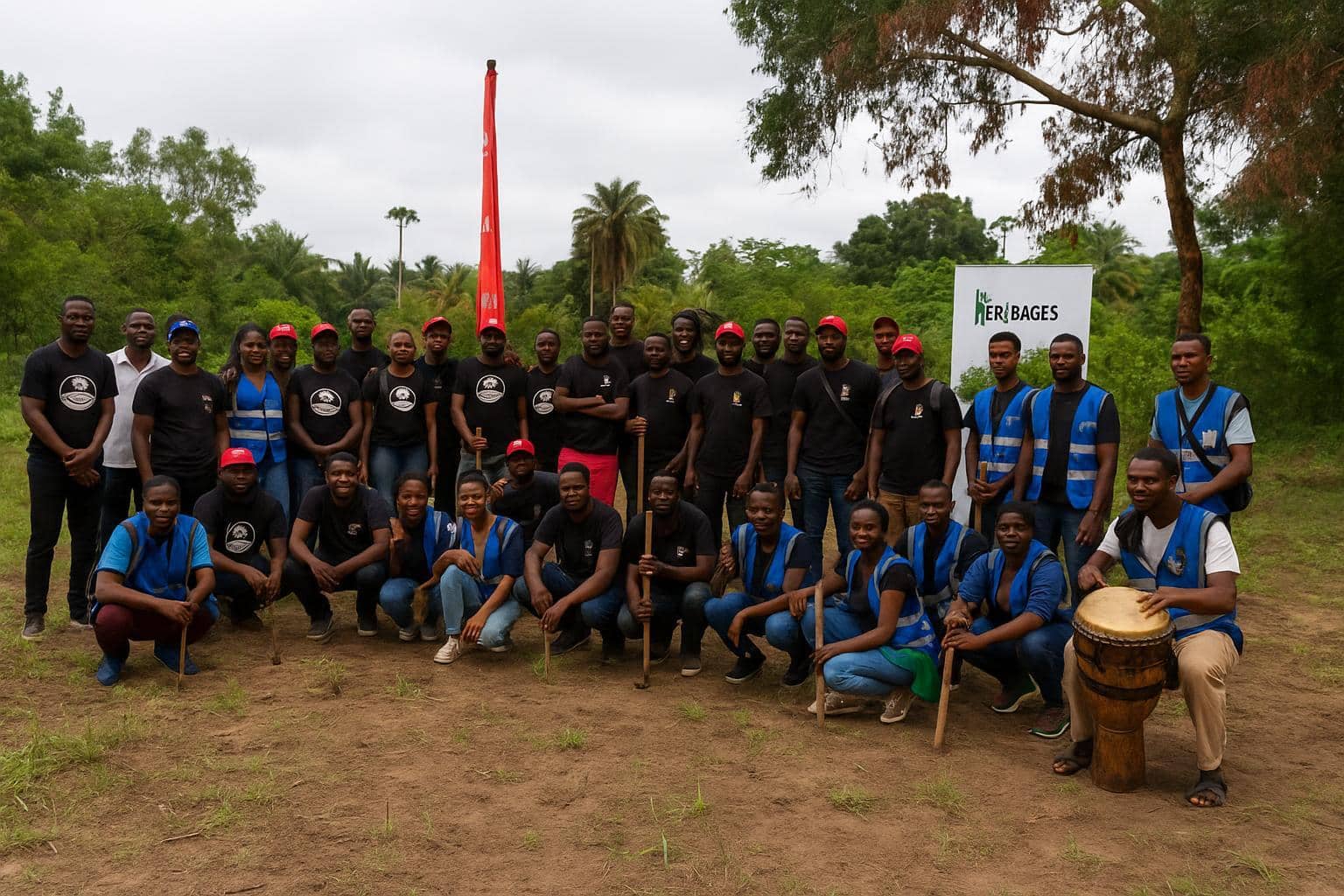
United Bank for Africa Congo has launched a tree-planting operation between Brazzaville and Pointe-Noire, pledging to put 2,000 seedlings in the ground. The project coincides with the country’s National Tree Day and echoes the environmental leadership championed by President Denis Sassou Nguesso.
Executed by the UBA Foundation, the campaign is part of a broader target set by the Lagos-headquartered group: each African subsidiary is expected to plant 10,000 trees in its home market, embedding sustainability in the pan-African lender’s business model.
Scientific and Educational Upside
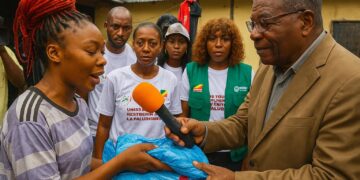
Brazzaville students and researchers stand to gain immediate academic benefits. According to Sara Nguie of the NGO Human Empress, several species introduced during the first planting wave had never been available in the capital’s arboretum, forcing scholars to travel abroad for comparative botany work.
The project therefore integrates climate action with human-capital enhancement, two pillars repeatedly underscored in Congo-Brazzaville’s National Development Plan. By expanding biodiversity plots locally, universities can deepen curricula while reducing travel-related emissions, a double dividend that resonates with emerging green-finance metrics.
Corporate Responsibility Anchored in National Policy
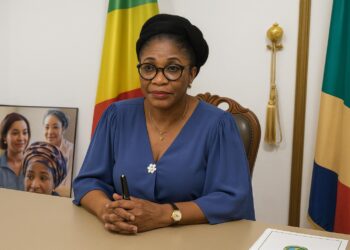
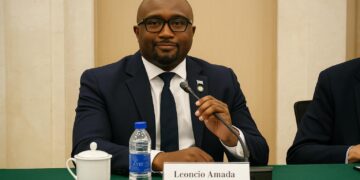
UBA Congo management frames the initiative as a flagship of its Corporate Social Responsibility roadmap. Public-sector director Divin Mpandzou stresses that the bank wants “to bring tangible support to government efforts”, highlighting both the symbolism of trees and the material need to restore degraded urban corridors.
The operation was launched on sites selected jointly with municipal authorities and forestry technicians to maximise species survival. Seedling nurseries were audited for provenance, ensuring that introduced varieties align with regional ecosystems rather than becoming future invasive threats.
Stitching Logistics and Community Engagement
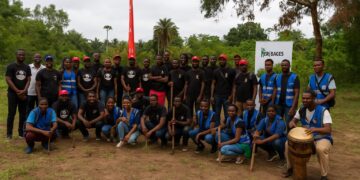
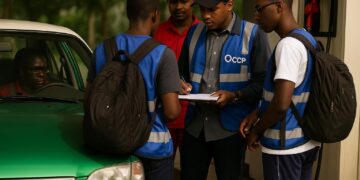
Logistics between the two economic poles, Brazzaville and Pointe-Noire, posed practical challenges. UBA Foundation mobilised employee volunteers, local youth groups and a network of small transporters to move saplings across the 510-kilometre corridor, demonstrating a public-private coordination model that could be replicated for future environmental drives.
Elumelu’s Continental ESG Vision
Beyond national borders, the reforestation push is consistent with the continental advocacy of Tony O. Elumelu, chairman of UBA Group and founder of the Tony Elumelu Foundation. His recent Africa Tour, during which he met five heads of state, amplified calls for African-led sustainability financing.
Elumelu regularly argues that capital flows and project design must originate within the continent to secure durable impact. The 2,000-tree commitment, modest in size yet precise in execution, serves as a demonstrator for how commercial banks can translate board-room ESG pledges into measurable field activity.
Metrics that Speak to Investors
For investors tracking environmental, social and governance indicators, such micro-projects may appear small. However, they provide verifiable data points that rating agencies include when scoring blended-finance portfolios. Each seedling is geo-tagged and monitored for two years, offering transparent metrics attractive to impact-oriented capital.
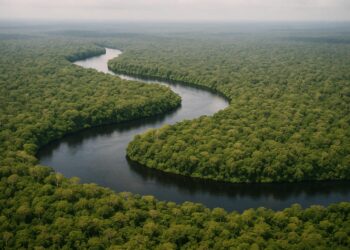
Congo-Brazzaville, home to part of the Congo Basin forest, positions itself as a natural carbon sink within Central Africa. Aligning private-sector action with national climate diplomacy helps the republic negotiate better terms in forthcoming carbon-credit frameworks under the Paris Agreement.
Public Facilitation and Local Business Spin-offs
The Ministry of Forest Economy has signalled support, noting that corporate nurseries ease fiscal pressures on public reforestation programmes. While no direct subsidies are involved, access to technical advice and site permits was fast-tracked, illustrating a facilitative stance rather than a regulatory burden.
Community engagement is critical for seedling survival rates. UBA Foundation partnered with school clubs to assign stewardship responsibilities, integrating tree care into extracurricular timetables. The practice cultivates environmental citizenship early, complementing classroom lessons on climate science validated by the Congolese Education Ministry.
Local businesses also participated, donating hydration sacks and biodegradable guards to reduce livestock damage. Such in-kind contributions, though small, lower total project cost and spotlight circular-economy suppliers developing new biodegradable inputs for Central African agroforestry.
Transparency and Replicability Prospects
Looking ahead, UBA Congo plans quarterly progress disclosures, including satellite imagery, nursery replenishment statistics and community feedback surveys. The transparency drive responds to investor expectations and aligns with the Central Bank of Central African States guidance on climate-related financial risk reporting.
Policy analysts suggest that replicating the 2,000-tree blueprint across Congo’s twelve departments could yield one million additional trees within five years, provided corporate champions mirror UBA’s model. Such scale would reinforce the nation’s Low-Emission Development Strategy without stretching public finances.
Macroeconomic and Diplomatic Ripples
For now, the freshly planted seedlings stand as a living reminder that banking can extend beyond balance sheets. By intertwining profitability, social cohesion and ecological stewardship, UBA Congo illustrates how the financial sector can serve as a pragmatic partner in President Sassou Nguesso’s sustainable-development agenda.
Economists tracking Congo’s balance of payments note ancillary benefits: domestic nurseries source biodegradable tubes and organic fertiliser locally, substituting imports and modestly improving the non-oil trade balance. While the macro effect remains limited, the signal to diversify away from hydrocarbons is valuable.
Finally, the project feeds into Congo’s candidacy for the African Union’s Great Green Wall accelerator, which rewards member states presenting concrete land-restoration evidence. The 2,000-tree register, complete with geolocation data, could bolster Brazzaville’s submission during the next AU-environment ministers caucus.